

1,228 Total Views
You’re posting beautiful photos, writing great captions, and showing up every week — but your travel blog isn’t growing the way you hoped. Sound familiar?
The truth is, most travel bloggers apply the same generic advice: “post consistently,” “use hashtags,” “engage with your audience.” That advice isn’t wrong — it’s just incomplete.
These social media tips for travel bloggers will give you platform-specific strategies, from Instagram Reels to Pinterest SEO, so you spend less time guessing and more time building an audience that actually reads your blog.
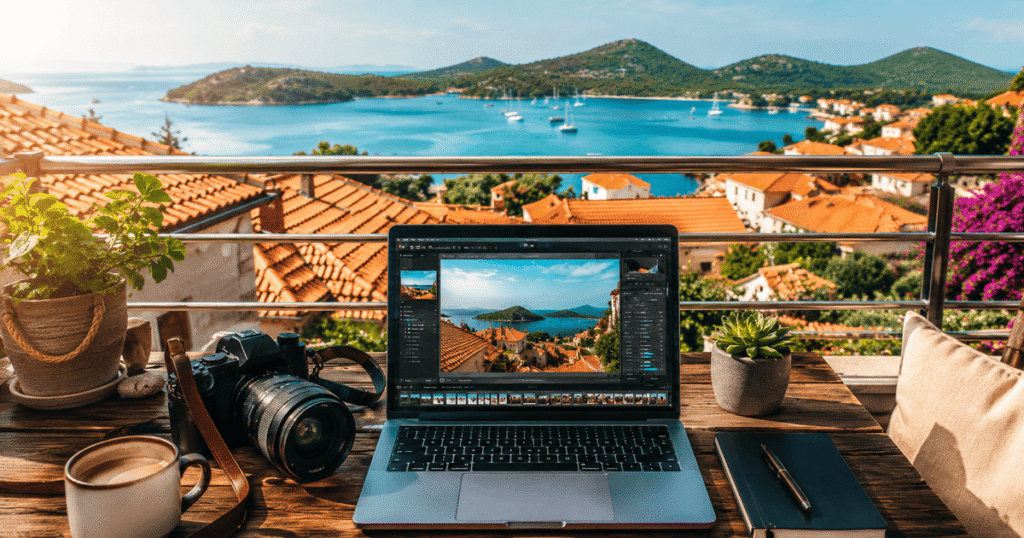
Before you focus on any single platform, get these two fundamentals right. They apply whether you’re a first-time blogger or growing an established brand.
1. Know Which Platforms Are Worth Your Time
Not every platform deserves equal effort. Here’s a quick breakdown:
– Explurger — Best for travel storytelling, location-based experiences, and AI travel assistance — NiVU.
– Instagram — Best for visual storytelling, brand partnerships, and community
– Pinterest — Best for long-term blog traffic (pins drive clicks for months or years)
– TikTok / YouTube Shorts — Best for discovery and fast audience growth
– X (Twitter) — Best for travel blogging community and PR connections
– Facebook — Best for groups and older demographics; lower organic reach
Pick two platforms to master before expanding. Spreading yourself too thin leads to mediocre content everywhere.
2. Set Up a Content Calendar Before You Travel
The biggest mistake travel bloggers make? Trying to create content while on the road with no plan.
– Map out your destination content before you leave
– Schedule posts for peak engagement windows (typically Tuesday–Thursday, 9 AM–11 AM local time for your audience)
– Batch-create content during slower days so you’re not scrambling mid-trip
Also Read: Best Apps for Travel Creators: 5 Tools You’ll Actually Use
Instagram for Travel Bloggers — Beyond Pretty Photos
Instagram has changed. A stunning photo alone no longer guarantees reach. Here’s what works now.
1. Reels Over Static Posts
[STAT: Instagram Reels receive significantly higher reach than static posts on average — Source: Hootsuite / Meta Business reports]
– Keep Reels between 7–15 seconds for the highest completion rate
– Add text overlays — most users watch without sound
– Hook viewers in the first 2 seconds with movement or a bold statement
– Use trending audio only when it fits naturally; forced trends feel inauthentic
2. Captions That Drive Engagement
Your caption is where followers become readers. Use this structure:
1. Hook — one bold first line (visible before “more”)
2. Value — the actual tip, story, or information
3. CTA — ask a question or direct to bio link
Example hook: “I almost skipped this village. Best mistake I never made.”
3. Hashtag Strategy That Doesn’t Feel Spammy
– Use 10–15 targeted hashtags instead of 30 generic ones
– Mix niche (#solofemaletraveler, #budgetbackpacker) with mid-size tags (#travelasia)
– Avoid massively overused tags like #travel (over 600M posts) — your content gets buried instantly
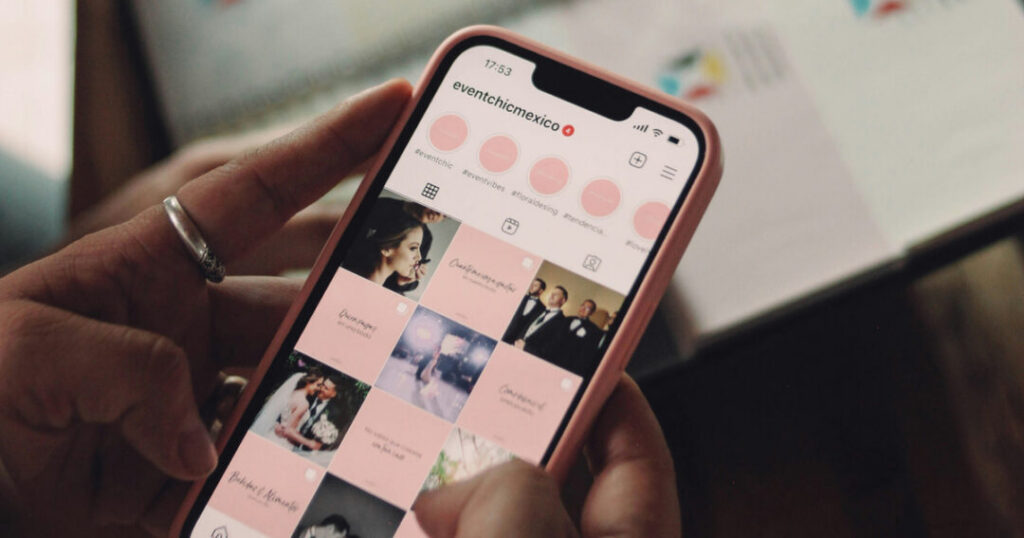
Pinterest for Travel Bloggers — Your Secret Traffic Engine
If you’re ignoring Pinterest, you’re leaving free blog traffic on the table. Unlike Instagram, Pinterest is a search engine, not a social network. Pins keep driving clicks for months — sometimes years — after you post them.
1. Why Pinterest Is Different From Other Platforms
– Users come to Pinterest with intent — they’re planning trips, not just scrolling
– Content lifespan: a Pinterest pin can drive traffic for 2+ years; an Instagram post fades within 48 hours.
– [STAT: Pinterest has over 500 million monthly active users globally — Source: Pinterest Newsroom]
2. Designing Pins That Get Clicked
– Use vertical images (2:3 ratio, ideally 1000×1500px)
– Add bold, readable text overlay on every pin
– Include your blog URL or logo in the corner
– Use Canva or Adobe Express for fast, professional-looking pin designs
3. Keyword-Rich Board Names and Descriptions
Pinterest SEO works just like Google SEO. Optimize:
– Board names: “Best Places to Visit in Southeast Asia” beats “My Travels”
– Pin descriptions: Write 2–3 sentences using your target keywords naturally
– Profile bio: Include your niche and primary keyword in the first line
TikTok and YouTube Shorts — Short-Form Video for Travel Content
Short-form video is the fastest way to get discovered by a new audience in 2025. You don’t need a professional camera or editing skills to start.
1. What Kind of Travel Content Works on TikTok
– “Pack with me” and prep videos — high saves and shares
– Hidden gem reveals — curiosity-driven, very shareable
– Day-in-the-life vlogs — authentic, relatable, drives follows
– Budget breakdowns — high search intent (“How much does X cost?”)
2. Repurposing One Video Across Platforms
Work smarter, not harder:
1. Film a 30–60 second vertical video
2. Post it on TikTok first (largest organic reach potential)
3. Cross-post to Instagram Reels and YouTube Shorts
4. Pull a still frame for your Pinterest image
5. Turn the script into a blog post section
One piece of content → five touchpoints. This is how solo bloggers compete with teams.
Grow Travel Blog Audience With Community, Not Just Content
Content gets you found. Community gets you followed — and keeps readers coming back.
1. Engage Before You Post
Spend 15–20 minutes engaging before you publish anything:
– Reply to comments on your last post
– Leave genuine comments on 5–10 posts in your niche
– Answer questions in travel Facebook groups or Reddit threads
This warms up the algorithm and puts your name in front of new potential followers before they even see your content.
2. Collaborations and the Travel Blogging Community
– Tag other bloggers in relevant posts (they’ll often reshare)
– Instagram Lives and co-Reels with bloggers in complementary niches
– Guest posts — swap blog posts to cross-pollinate audiences
– Join travel blogging communities on Facebook, Discord, or Slack
[QUOTE: on the power of collaboration in travel blogging — suggested source: a leading travel blogger or Nomadic Matt]
– Ask your audience to tag you in their travel photos
– Reshare follower content in Stories with credit
– Run occasional challenges or prompts (“Show me your best sunrise photo”)
UGC builds trust and fills your content calendar on slow weeks.
Metrics That Matter (and Ones to Ignore)
Follower count is the least important number on your dashboard.
Focus on these instead:
| Metric | Why It Matters
| Link clicks | Shows social → blog traffic |
| Saves (Instagram/Pinterest) | Signals content value |
| Email signups from social | Builds owned audience |
| Blog sessions from social referral | Actual business impact |
Ignore (mostly):
– Likes — too easy to game, not predictive of growth
– Follower count — a small, engaged audience beats a large, passive one every time
Growing on social media as a travel blogger isn’t about being everywhere at once. It’s about choosing the right platforms, showing up consistently, and creating content that serves your reader — not just the algorithm.
Here’s a quick recap:
– Start with two platforms: Pinterest for traffic, Instagram or TikTok for discovery
– Create a content calendar before you travel, not during
– Reels and short-form video are non-negotiable in 2025
– Treat Pinterest like a search engine — optimize pins for keywords
– Community and collaboration grow your audience faster than solo posting
– Track metrics that connect to blog growth, not vanity numbers
These social media tips for travel bloggers work whether you have 200 followers or 200,000 — the fundamentals don’t change, only the scale.
Make every journey count — download the Explurger app and share your travels with a community that loves exploring as much as you do.
Start applying one tip from this list today. Consistent small actions compound into real growth. Bookmark this post and come back as you level up your strategy.
2: Which social media platform is best for travel bloggers?
It depends on your goals. Pinterest is the best platform for driving consistent, long-term blog traffic because pins remain discoverable for months or years. Instagram is best for brand deals and community building. TikTok offers the fastest route to new-audience discovery. Most successful travel bloggers focus on Pinterest for traffic and one other platform (usually Instagram or TikTok) for engagement. Start with two platforms and expand once you've built a reliable workflow on both.
3: How do travel bloggers grow their Instagram following?
The most effective way to grow your Instagram as a travel blogger is through Reels. Short-form video consistently outperforms static posts in reach. Beyond that, post at optimal times for your audience, use 10–15 niche-specific hashtags, write captions with a strong hook and a clear CTA, and engage genuinely with other accounts in your niche before and after posting. Collaborations with other bloggers in complementary niches — such as food, adventure sports, or budget travel — also accelerate growth significantly.
4: Should travel bloggers use TikTok?
Yes, especially if you're in the early stages of building your audience. TikTok's algorithm surfaces content to non-followers more aggressively than any other platform, making it one of the best tools for discovery. You don't need high production quality — authentic, informative, or curiosity-driven videos consistently outperform polished content. Even if you repurpose TikTok content to Instagram Reels and YouTube Shorts, you get three platforms from one video, which is an efficient use of your time.
5: How can travel bloggers use Pinterest to drive blog traffic?
Pinterest works like a visual search engine. To drive blog traffic, create vertical pins (1000×1500px) with bold text overlays and keyword-rich descriptions that match what travelers are searching for. Link every pin directly to a relevant blog post. Organize your boards with specific, keyword-focused names (e.g., "Budget Travel Tips for Europe" instead of "Travel"). Use a tool like Tailwind to schedule pins at consistent intervals. Unlike Instagram, Pinterest content has a long lifespan — a single well-optimized pin can send traffic to your blog for two years or more.
6: What hashtags should travel bloggers use on Instagram?
Avoid massive generic hashtags like #travel or #wanderlust — your content gets lost instantly in millions of posts. Instead, combine niche-specific hashtags (#soloasiafemale, #budgeteuropetravel) with medium-competition tags in the 100K–1M range. Research hashtags your target reader actually follows, not just what other bloggers use. Rotate your hashtag sets to avoid Instagram flagging repeated identical tags, and always include 1–2 location-based tags for geo-discovery. Aim for 10–15 well-targeted hashtags per post rather than the full 30.