
698 Total Views
Croatia is known for its stunning Adriatic coastline, historic cities, and beautiful islands, but its culinary traditions are equally impressive. Influenced by Mediterranean, Central European, Venetian, Austro-Hungarian, and Ottoman cultures, Croatian food is remarkably diverse, with each region offering its own specialties and flavors.
From seafood-rich recipes along the Dalmatian coast to hearty meat dishes in continental regions, Croatian food reflects centuries of history and cultural exchange. Whether you’re exploring Dubrovnik, Split, Zagreb, or the Istrian Peninsula, tasting local dishes is one of the best ways to understand the country.
This guide explores the most iconic dishes, ingredients, and traditions that make Croatian food one of Europe’s most underrated culinary experiences.
What Makes Croatian Food Unique?
The diversity of Croatian cuisine comes from Croatia’s geography and history.
Coastal regions are heavily influenced by Mediterranean cooking and feature olive oil, seafood, herbs, and fresh vegetables. Inland regions draw inspiration from Central European and Balkan traditions, emphasizing meats, stews, sausages, and pastries.
As a result, Croatian cuisine changes significantly from one region to another. This regional variety is one of the reasons why Croatian food continues to attract food lovers from around the world.
A Brief Look at Croatian Culinary Regions
Before exploring specific dishes, it’s useful to understand the major food regions of Croatia.
Dalmatia
Known for:
- Seafood
- Olive oil
- Peka
- Pašticada
- Black Risotto
Istria
Known for:
- Truffles
- Handmade pasta
- Olive oil
- Wine production
Slavonia
Known for:
- Sausages
- Paprika-based dishes
- Hearty meat preparations
Zagreb and Northern Croatia
Known for:
- Pastries
- Austro-Hungarian influences
- Cheese dishes
- Roasted meats
These regional influences contribute significantly to the richness of Croatian cuisine.
Also read: Greek Food: The Complete Guide to Greek Cuisine, Dishes & the Mediterranean Table
1. Peka
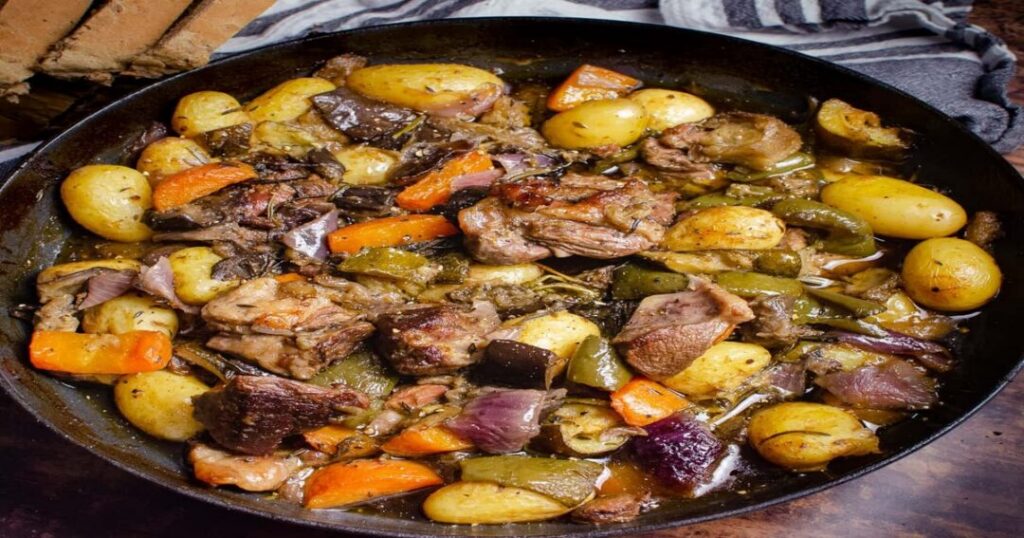
Among the most famous examples of traditional Croatian food, Peka is a must-try experience.
The dish is prepared by slow-cooking meat, seafood, potatoes, and vegetables beneath a bell-shaped metal lid covered with hot embers. This method locks in moisture and creates exceptionally tender flavors.
Many locals consider it one of the best Croatian dishes available.
2. Ćevapi
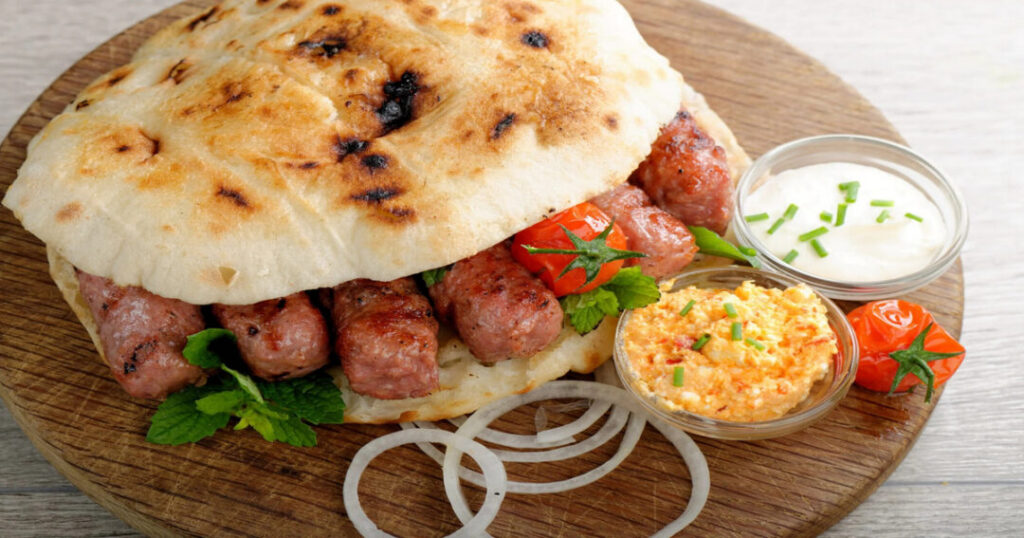
One of the most popular meat dishes in the Balkans, cevapi croatian cuisine has become a staple throughout the country.
Although Ćevapi originated as part of the broader Balkan culinary tradition influenced by the Ottoman Empire, it is now deeply embedded in everyday Croatian food culture.
These grilled minced meat sausages are typically served with flatbread, onions, and ajvar.
Many visitors rank ćevapi, a Croatian specialty, among the best Croatian food experiences.
3. Burek
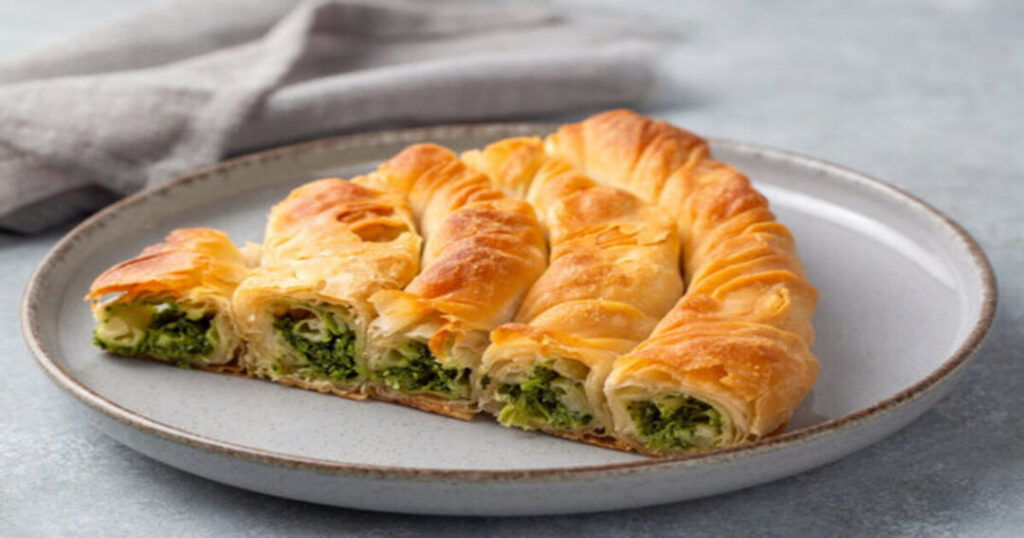
Few foods are as popular across Croatia as Burek.
While burek croatian bakeries are found throughout the country, the pastry itself traces its roots to the Ottoman period before becoming a staple of Balkan cuisine.
Today, burek’s Croatian varieties commonly feature fillings such as
- Meat
- Cheese
- Spinach
- Potato
Whether eaten for breakfast or as a quick snack, burek, a Croatian pastry, remains one of the most beloved Croatian dishes.
4. Pašticada
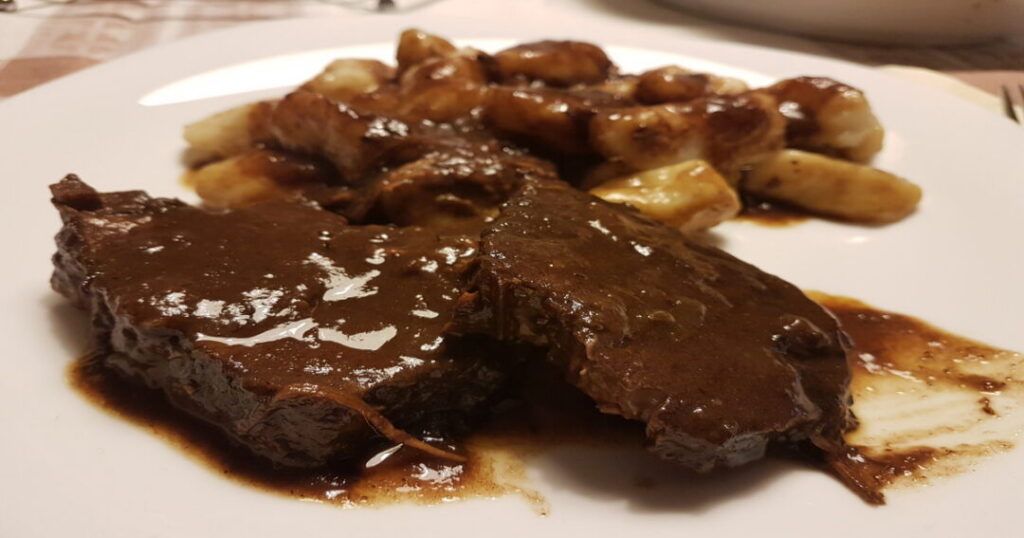
Pašticada is one of Dalmatia’s most celebrated specialties.
The dish features beef marinated and slow-cooked with wine, vinegar, vegetables, and spices before being served with gnocchi.
For many Croatians, Pašticada represents the essence of traditional Croatian food.
5. Black Risotto (Crni Rižot)
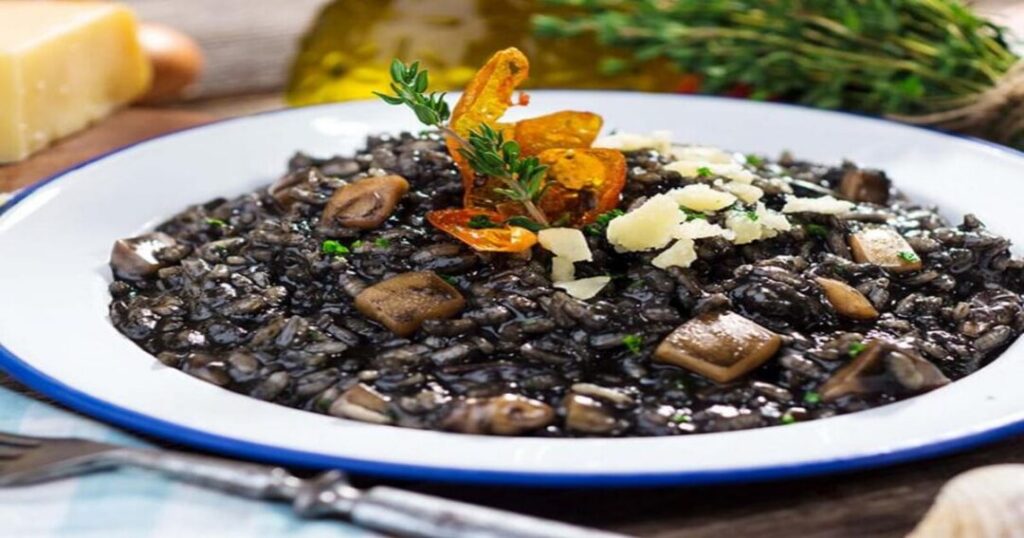
Among the most iconic seafood dishes in Croatian cuisine, black risotto is instantly recognizable because of its dramatic appearance.
Prepared with squid or cuttlefish, rice, garlic, olive oil, and seafood stock, the dish gets its dark color from cuttlefish ink.
It remains one of the best Croatian dishes found along the Adriatic coast.
6. Soparnik
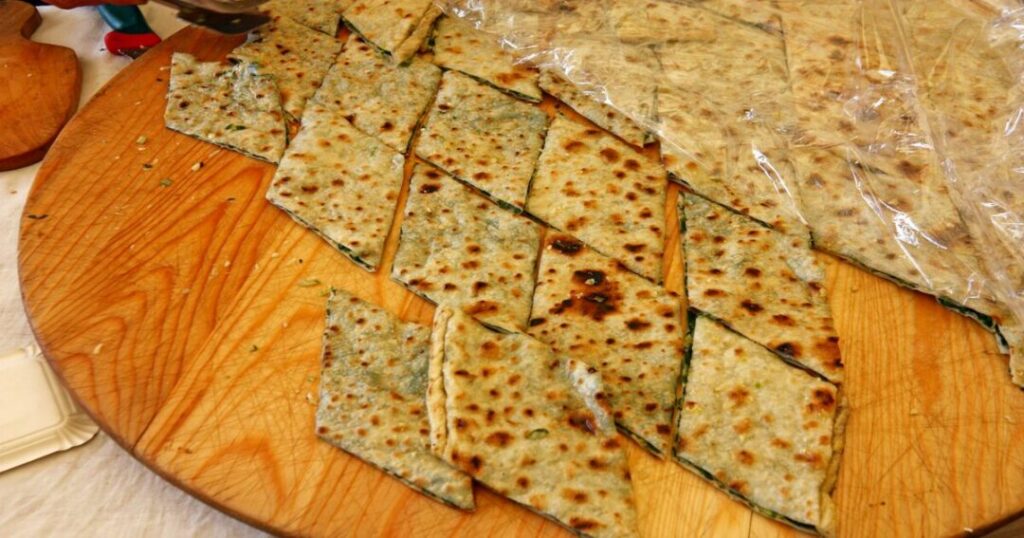
Originating from the Dalmatian hinterland, Soparnik is a savory pie filled primarily with Swiss chard, garlic, and olive oil.
The dish is recognized as part of Croatia’s protected cultural heritage and is considered an important symbol of rural culinary traditions.
Soparnik remains one of the most authentic examples of Croatian cuisine.
Also read: Dubai Street Food: The Complete Guide to the City’s Most Authentic Bites
7. Brodet
Brodet, also called brudet, is a traditional fish stew popular along Croatia’s coastline.
Prepared with various fish species, tomatoes, onions, olive oil, and herbs, it is usually served with polenta.
This seafood specialty showcases the Mediterranean side of Croatian food.
8. Fuži with Truffles
Istria is famous for truffles, and Fuži with truffles is among the region’s signature dishes.
Fuži is a handmade pasta traditionally paired with truffle sauces or fresh truffle shavings.
Many food enthusiasts consider it among the best Croatian food experiences available in the country.
Also read: Burmese Food: The Complete Guide to Myanmar Cuisine, Dishes & Food Culture
9. Kulen
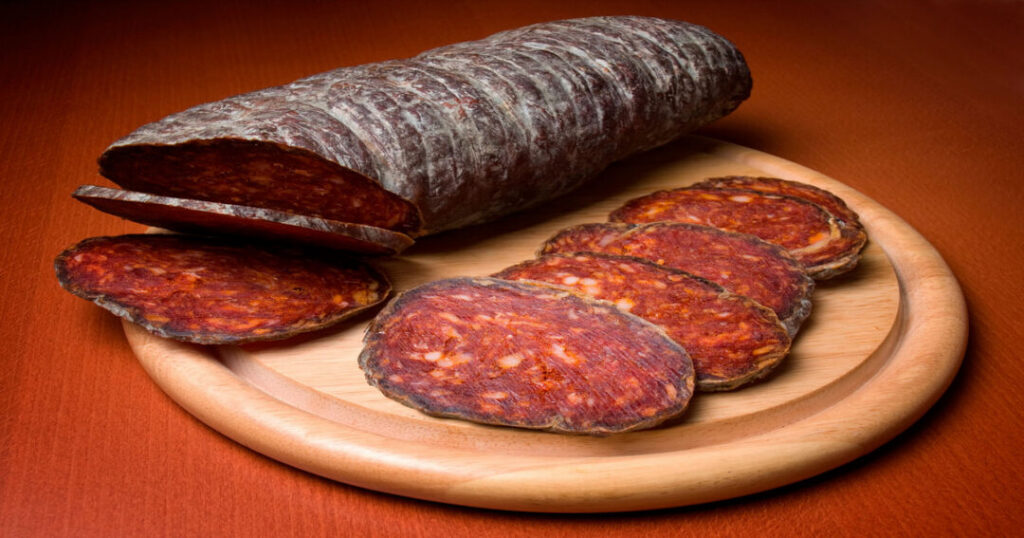
Kulen is a renowned cured sausage from the Slavonia region.
Made from pork and seasoned heavily with paprika and garlic, it is known for its rich flavor and traditional production process.
Kulen consistently appears on lists of the best Croatian dishes.
10. Štrukli
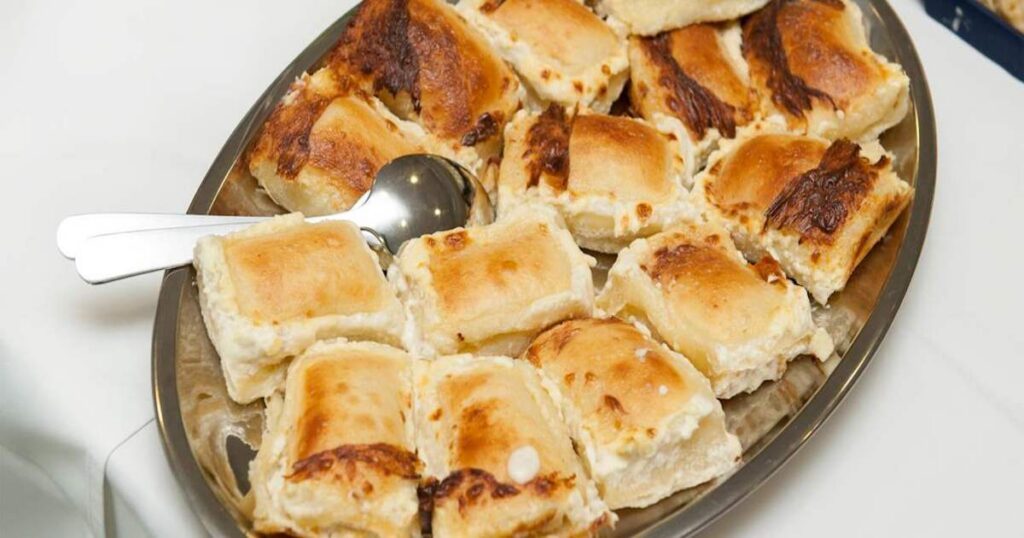
Štrukli is one of the most beloved comfort foods in northern Croatia.
This pastry is filled with cottage cheese and can be baked or boiled depending on the recipe.
It is a staple of traditional Croatian food and particularly associated with the Zagreb region.
Also Read: Assam Food: The Complete Guide to Assamese Cuisine, Traditional Dishes & Famous Sweets
11. Sarma
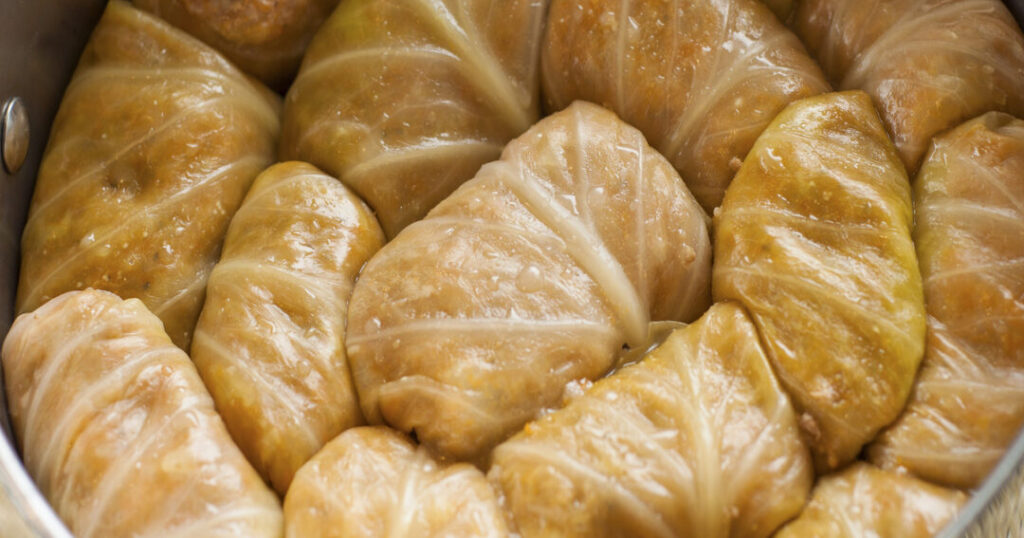
Sarma is one of the most popular winter dishes in Croatia.
It consists of cabbage leaves stuffed with minced meat, rice, and seasonings before being slowly cooked.
The dish is widely enjoyed across Central and Eastern Europe and remains a household favorite in Croatia.
Many locals view Sarma as a classic example of authentic Croatian food.
12. Zagrebački Odrezak
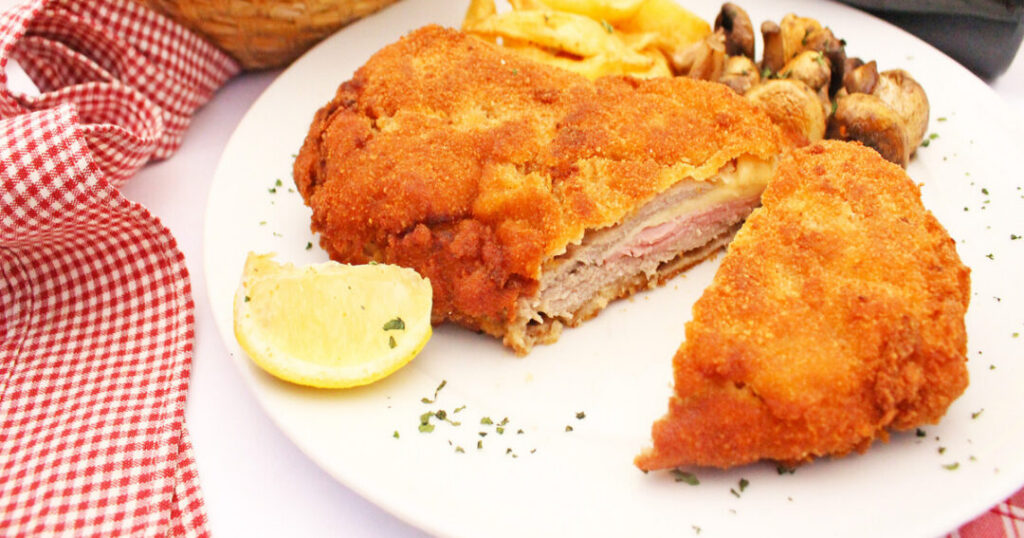
Often called Zagreb Schnitzel, Zagrebački Odrezak is a famous specialty from the capital region.
The dish consists of breaded veal or pork stuffed with cheese and ham before being fried until golden.
It remains one of the most recognizable Croatian dishes in northern Croatia.
13. Janjetina (Roast Lamb)
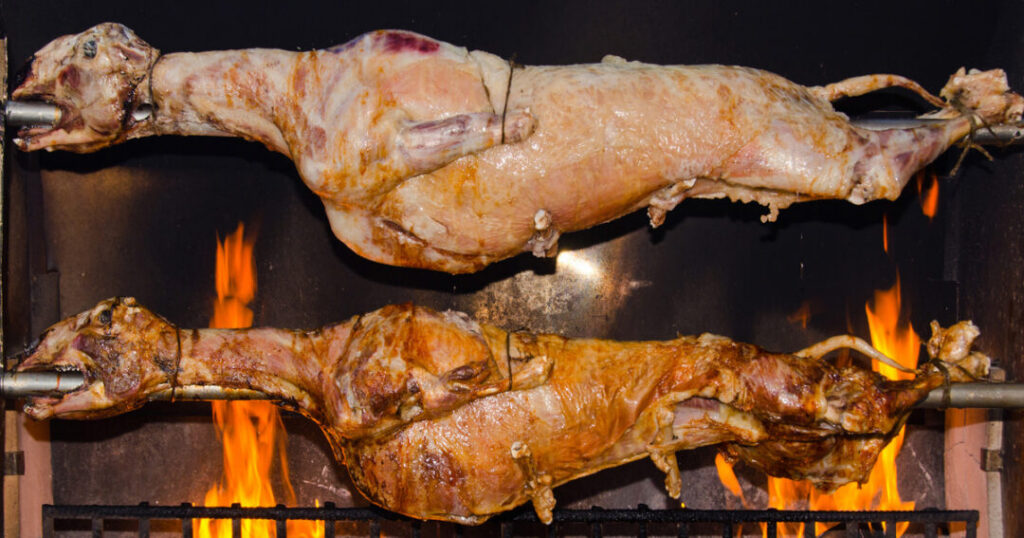
Roast lamb holds a special place in Croatian culinary culture, particularly along the Dalmatian coast and on islands such as Pag.
Traditionally cooked over an open fire, janjetina is celebrated for its simplicity and rich flavor.
It is frequently listed among the best Croatian food experiences for meat lovers.
14. Maneštra
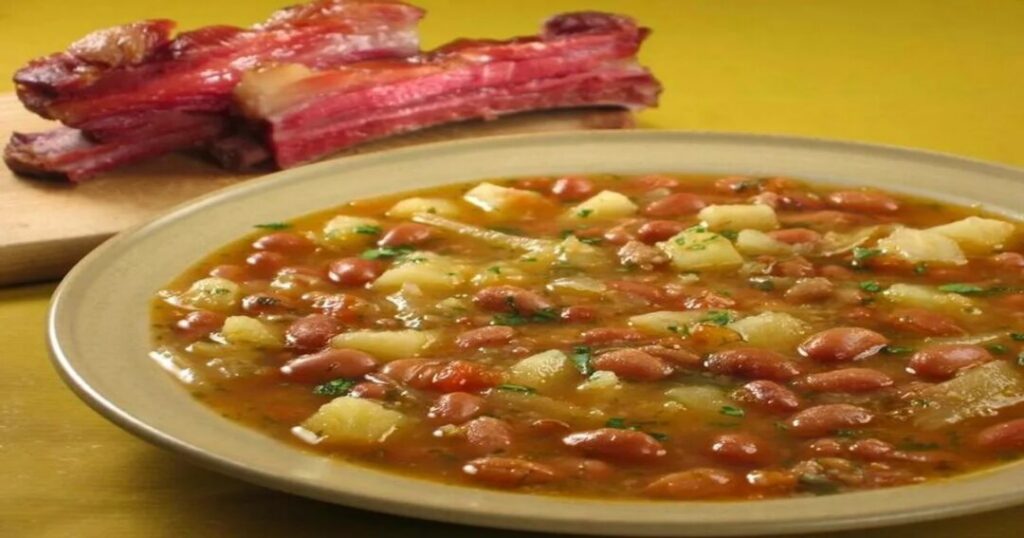
Maneštra is a hearty soup originating from Istria.
Prepared with beans, vegetables, potatoes, and sometimes cured meats, it reflects the agricultural traditions of the region.
The dish remains an important part of Croatian cuisine and is especially popular during cooler months.
15. Pag Cheese (Paški Sir)
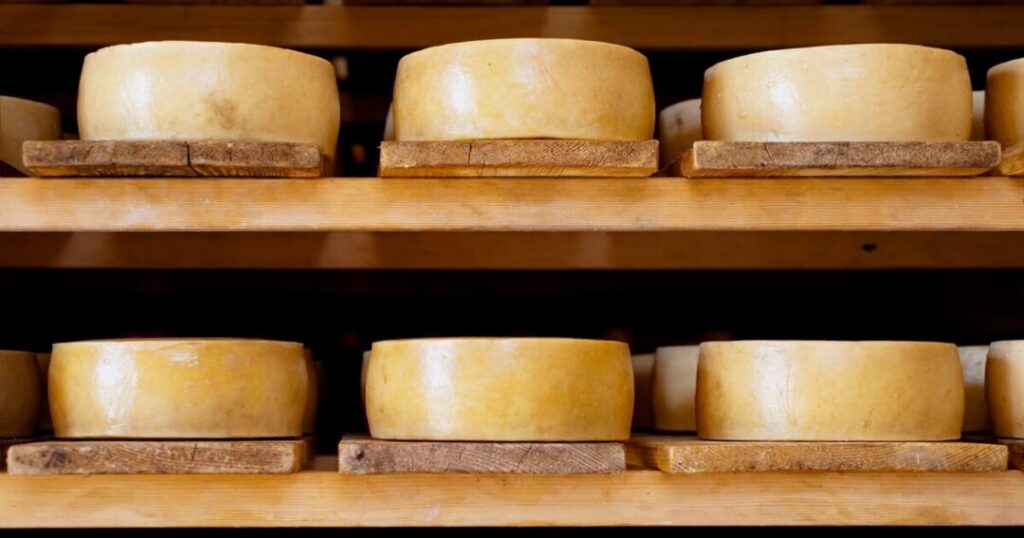
Paški Sir is one of Croatia’s most respected cheeses.
Produced on Pag Island from sheep’s milk, the cheese develops its distinctive flavor because sheep graze on aromatic herbs naturally coated with sea salt carried by strong coastal winds.
Food lovers frequently rank it among the best Croatian dishes to sample while visiting Croatia.
Also Read: Food of Rajasthan: The Complete Guide to Rajasthani Cuisine, Dishes & Sweets
Croatian Desserts Worth Trying
No exploration of Croatian food is complete without dessert.
Fritule
Small fried pastries flavored with raisins and citrus zest.
Rozata
A traditional Dubrovnik custard dessert similar to crème caramel and often flavored with rose liqueur.
Kremšnita
A cream-filled custard pastry popular in northern Croatia.
These sweets provide a delicious conclusion to any Croatian meal.
Also read: Canadian Food: The Complete Guide to Canadian Cuisine, Dishes & Regional Food Culture
Best Croatian Food by Region
If you’re wondering where to find the most memorable Croatian food, consider these regional specialties:
| Region | Signature Foods |
| Dalmatia | Peka, Pašticada, Brodet, Black Risotto |
| Istria | Fuži, Truffles, Maneštra |
| Slavonia | Kulen, Sausages, Paprika Dishes |
| Zagreb | Štrukli, Zagrebački Odrezak |
| Adriatic Islands | Seafood, Octopus, Roast Lamb |
The regional diversity of Croatian cuisine is one of its greatest strengths.
How to Reach Croatia?
By Air
The main international gateways include the following:
- Franjo Tuđman Airport
- Split Airport
- Dubrovnik Airport
These airports offer direct connections to major European cities and seasonal international routes.
By Train
Croatia is connected by rail to neighboring countries, including Slovenia, Hungary, Austria, and Serbia.
By Bus
Long-distance buses provide extensive connectivity throughout the Balkans and Central Europe.
By Ferry
Ferries connect the mainland with Croatia’s many islands and also operate international routes from parts of Italy.
Best Time to Experience Croatian Food
Spring (March-May)
- Wild asparagus season
- Fresh seafood
- Local produce
Summer (June-August)
- Coastal seafood specialties
- Island cuisine
- Fresh fish dishes
Autumn (September-November)
- Truffle season in Istria
- Wine harvests
- Mushroom dishes
Winter (December-February)
- Sarma
- Stews
- Hearty meat dishes
Each season offers a different perspective on Croatian food traditions.
Final Thoughts About Croatian Food
The richness of Croatian food lies in its extraordinary regional diversity. Mediterranean seafood traditions, Central European comfort foods, Ottoman influences, and local ingredients combine to create a cuisine that is both varied and deeply rooted in history.
From savoring cevapi croatian grill specialties and enjoying fresh burek croatian pastries to tasting truffle pasta in Istria and seafood along the Adriatic coast, every region offers something unique.
Whether you’re a casual traveler or a dedicated food enthusiast, exploring Croatian cuisine is one of the most rewarding ways to experience the country’s culture, heritage, and traditions.
FAQs about Croatian Food
2. What are the best Croatian dishes to try?
Some of the best Croatian dishes include Peka, Pašticada, Black Risotto, Fuži with truffles, Kulen, and Štrukli.
3. Is Croatian cuisine Mediterranean?
Partly. Coastal Croatian cuisine is strongly Mediterranean, while inland regions reflect Central European and Balkan influences.
4. Is Croatian food spicy?
Most Croatian food is mildly seasoned rather than spicy, although dishes from Slavonia often feature paprika and stronger flavors.
5. Is Croatian food vegetarian friendly?
Yes. Vegetarian travelers can enjoy dishes such as Soparnik, Maneštra, Fuži with truffles, vegetable risottos, and various local pastries.